
Spray Foam Insulation in Longview, TX
Longview Spray Foam Pros provides professional insulation services for commercial and residential properties in Longview, Texas. Spray-applied foam helps improve thermal performance, seal suitable gaps, and provide a superior insulation barrier for more consistent indoor temperatures. As an effective type of insulation, spray foam can be used in attics, crawl spaces, metal structures, walls, and roof assemblies. Each assessment considers the building's construction, existing materials, surface condition, and intended use to determine the appropriate insulation material and application method.
Planning an insulation project? Contact Longview Spray Foam Pros to discuss your property and request an estimate from a local contractor.
Request A Project Estimate
We will get back to you as soon as possible.
Please try again later.
Professional Insulation Services
Spray Foam Insulation Services in Longview, TX
Longview Spray Foam Pros handles residential and commercial applications throughout the local area. Available options include closed- and open-cell spray foam, applications for attics and crawl spaces, metal structure insulation, and roof systems. These systems are used in different building assemblies according to construction methods, surface conditions, and performance goals. Selecting the right spray foam system helps ensure the application meets the property's specific insulation requirements.
Closed-Cell Spray Foam
Insulation
The dense, rigid structure of closed-cell foam helps limit unwanted air movement and resist moisture vapor movement. This type of closed-cell foam insulation is commonly used in exterior walls, roof assemblies, underfloor areas, and metal structures where a higher R-value per inch may be beneficial. Compared with traditional materials like fiberglass, closed-cell foam insulation has a higher R-value per inch, generally around R-6 to R-7 depending on the product. R-value means a material's resistance to heat flow, and the required level depends on the building assembly and project goals. Before application, technicians inspect surface conditions, moisture exposure, and required thickness to determine the appropriate installation method. Proper preparation and controlled application help achieve consistent coverage.
Open-Cell Spray Foam
Insulation
This lighter, flexible material expands into wall cavities, ceilings, and suitable attic assemblies. Its sound-absorbing properties and ability to fill irregular spaces make it an option for certain interior applications. As the spray foam expands, it can fill every nook in suitable cavities and help block air leaks. Open-cell foam generally has an R-value of 3.1 to 3.4 per inch, making it suitable for applications where its flexibility and coverage properties meet the building's requirements. When using spray foam, installers need to consider surface conditions, moisture levels, and ventilation requirements. Selecting the appropriate product for the building assembly helps support effective coverage and air sealing.
Attic Spray Foam
Insulation
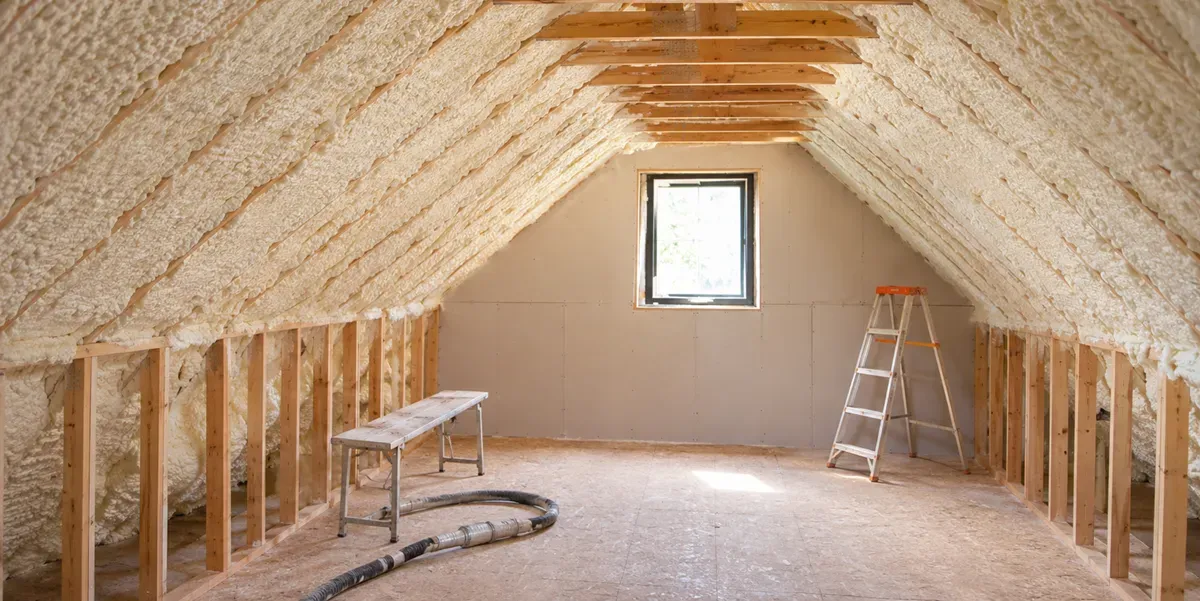
A properly insulated attic can help reduce heat transfer and unwanted airflow through suitable roofline or ceiling assemblies. In Longview homes, inadequate coverage may contribute to uncomfortable indoor temperatures during hot summers and cooler periods, making it harder to keep the home comfortable throughout the year. Before installation, technicians assess existing materials, roof framing, ventilation, and potential gaps. Applying spray foam around suitable framing and roofline areas can help improve coverage and create a more continuous insulating barrier. Foam placement and thickness depend on the building design, the required R-value, and applicable manufacturer specifications.
Crawl Space Insulation
Treating the area beneath a property can help improve its thermal boundary and reduce unwanted air movement. These enclosed areas may experience damp conditions, condensation, and temperature fluctuations that affect the floors above. Before installation, technicians inspect for standing water, drainage issues, moisture damage, and ventilation concerns. This assessment helps determine whether insulation is appropriate and whether existing moisture problems need attention before insulation work begins. Where conditions allow, spray foam seals suitable openings and helps limit unwanted air movement through the crawl space.
Metal Building Insulation
Warehouses, workshops, storage facilities, and other metal structures can experience indoor temperature fluctuations and condensation. Applying spray foam to suitable interior wall and roof surfaces helps limit heat transfer. The foam expands around framing and building components, providing an insulating layer that can also help address suitable gaps. This application creates a barrier against unwanted air movement while supporting more consistent indoor temperatures. Installation planning considers the metal surface condition, building use, moisture exposure, and required coverage. These factors help determine the appropriate foam system and application thickness.
Spray Foam Roofing
This roofing system uses spray polyurethane foam to create a continuous insulating layer across suitable roof surfaces. It can help reduce heat transfer and seal certain seams and penetrations when the existing roof is in appropriate condition. The spray foam creates a more continuous layer across properly prepared areas, helping limit unwanted air leakage. Before installation, technicians assess the roofing material, drainage, surface damage, and moisture concerns. The project also accounts for material thickness and protective coating requirements to support the roof system's performance.
Fix Energy Loss Problems
Common Insulation Challenges in Longview Properties
Longview's humid summers and seasonal winter temperature changes can make indoor temperature control challenging when buildings have inadequate insulation or unsealed openings. These conditions can affect homes and businesses, particularly where attics, exterior walls, roof assemblies, and framing contain gaps or poorly sealed openings that allow outside air to enter.
These weak points allow conditioned air to escape and outdoor air to enter, contributing to uneven temperatures, heat loss, and increased heating and cooling costs. Humidity can create additional concerns when moisture enters building cavities or accumulates around vulnerable materials. Existing dampness or water intrusion should be evaluated before installing spray foam insulation to ensure the insulation work begins under appropriate conditions.
Expanding foam can help address certain air leaks by filling suitable openings and reaching every nook and cranny in accessible building assemblies. As spray foam expands to fill available spaces, it can help create an airtight seal that supports insulation and air sealing. This foam provides an excellent barrier against unwanted air movement and can help reduce energy loss, although results depend on the building assembly, ventilation design, and moisture conditions. A professional assessment helps identify areas that may benefit from improved coverage and determines which material is appropriate for the property.
A Clear process
What to Expect During Installation
Before work begins, the property is assessed to identify the areas requiring attention and review existing materials, surface conditions, ventilation, and possible moisture concerns.
Property Assessment and Insulation Evaluation
If old insulation is present, technicians evaluate the existing insulation before installing new material, checking its condition and compatibility with the proposed application. The selected product—open-cell or closed-cell—is based on the building assembly, application requirements, and intended performance. This evaluation also determines whether existing insulation should be retained, repaired, or removed.
Surface Preparation and Spray Foam Application
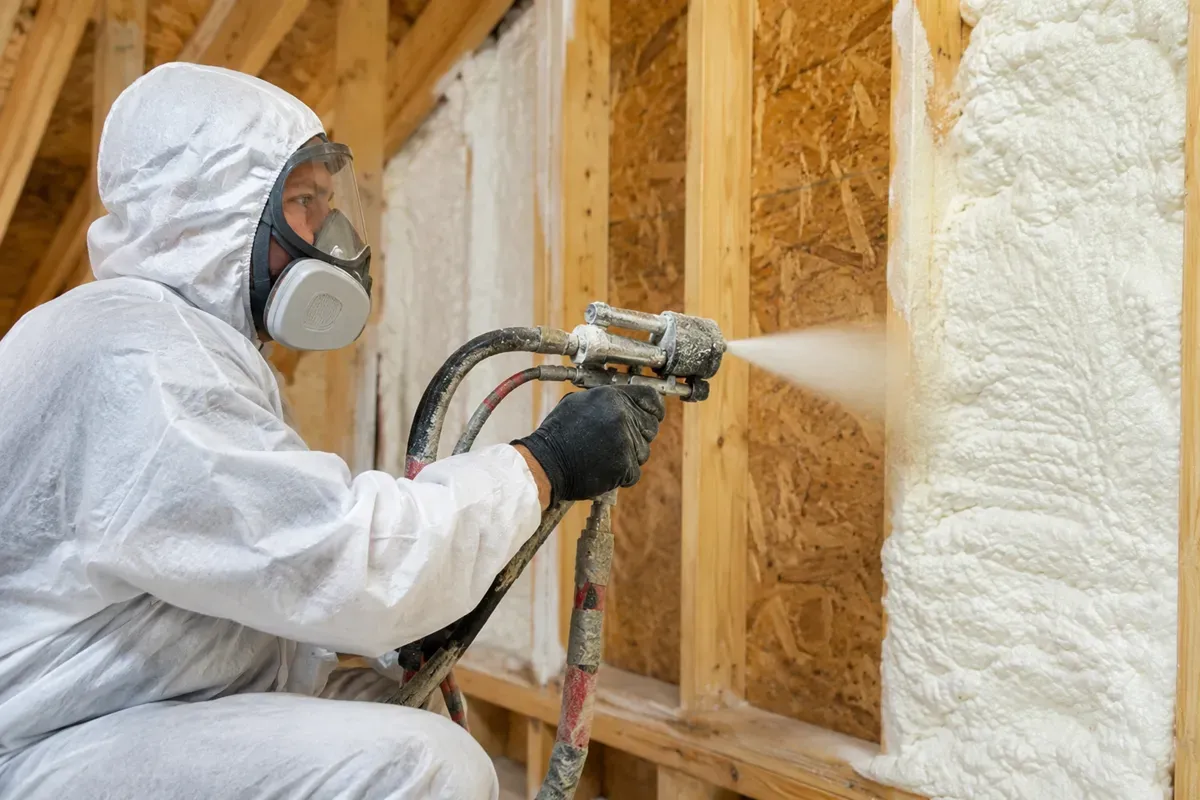
During installation, technicians prepare the designated surfaces, protect nearby areas, and use professional equipment to apply spray foam according to product specifications. The foam expands after application, so technicians control its placement and thickness according to the requirements of the assembly. As it expands, the material fills suitable gaps and cavities, helping create a more continuous insulating layer and air barrier. This process can improve coverage in areas where traditional insulation may leave small openings, but it does not guarantee an airtight seal in every building. Conditions such as substrate temperature and moisture can affect application quality.
Post-Installation Inspection and Re-Entry Guidance
After application, the work area is reviewed for coverage and potential installation concerns. Required curing and re-entry times depend on the specific product, application conditions, and manufacturer instructions. Property owners should follow the stated ventilation and re-entry guidance before using the treated space again. Proper ventilation and product selection also matter when considering indoor air quality.
Cost Planning
Spray Foam Insulation Costs
The cost of an insulation project in Longview depends on the area requiring coverage, the material selected, application thickness, and the condition of the surfaces receiving it. Open-cell and closed-cell products have different properties and installation requirements, so the appropriate option should be selected according to the building's needs rather than price alone. Foam costs per square foot can vary with the scope of work, access, and preparation requirements.
A project assessment also considers access to the work area, existing materials, preparation requirements, and anything that may need to be removed. Rooflines, wall cavities, and confined underfloor areas involve different labor and application conditions. Whether the project is a retrofit or part of new construction, these details influence the overall scope and estimate. The construction industry uses different insulation systems depending on building design, performance expectations, and installation requirements.
Longview property owners can request an evaluation outlining the proposed coverage, product type, preparation requirements, and estimated costs. A clear project scope explains how materials, professional application, equipment, and site conditions contribute to the upfront cost. The estimate can also help owners compare insulation options and consider potential effects on monthly energy bills, long-term energy costs, and the property's overall carbon footprint.
Cost starts with the details.
The right estimate considers coverage, material, access, preparation, and the condition of the existing building assembly.

professional approach makes a difference
Why Choose Professional Spray Foam Insulation Services in Longview, TX
Choosing an insulation contractor involves more than selecting a material. A professional insulation contractor should understand how different foam products perform in building assemblies, how moisture and ventilation affect results, and how to prepare surfaces before application. These considerations are particularly relevant for properties exposed to Longview's humid conditions and seasonal temperature changes.
Longview Spray Foam Pros approaches each project with attention to building conditions, application requirements, and the intended use of the space. The process emphasizes property assessments, suitable product selection, surface preparation, controlled application, and coverage checks. Professional-grade equipment and manufacturer installation specifications are important parts of this insulation work. Technicians carefully apply spray foam to help ensure the material reaches suitable openings and fills every nook where coverage is required.
Whether the project involves residential walls, an attic, an underfloor area, or a commercial metal structure, the recommended system should reflect the property's construction and performance goals. A professional spray foam contractor can explain the proposed application, material choices, and project scope so owners can make informed decisions about home comfort, energy efficiency, and potential cost savings.
Projects
Recent Insulation Projects in Longview, TX
Residential and commercial applications across Longview can involve attic rooflines, enclosed areas beneath homes, wall cavities, and metal warehouses or workshops. Each application presents different access, surface preparation, and coverage requirements. The work plan depends on the building's existing condition and the areas being treated, including whether additional insulation is needed to improve existing coverage.
Metal structure projects may involve evaluating roof panels and wall surfaces before applying foam to suitable areas. Residential work may focus on reducing unwanted air movement around framing, improving coverage, or addressing gaps in accessible building assemblies. As spray foam expands, it can reach irregular spaces and fill every nook and cranny that conventional insulation may not adequately cover. The materials and methods used depend on the structure and its existing conditions.
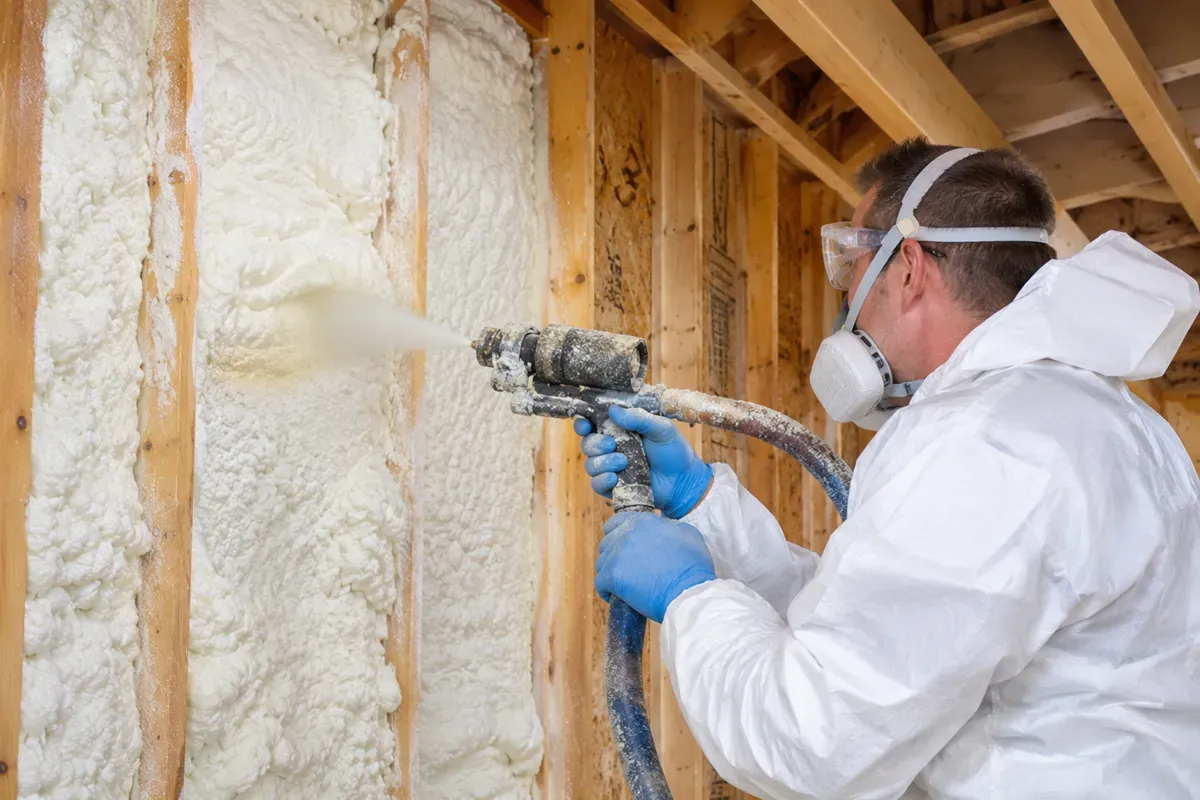
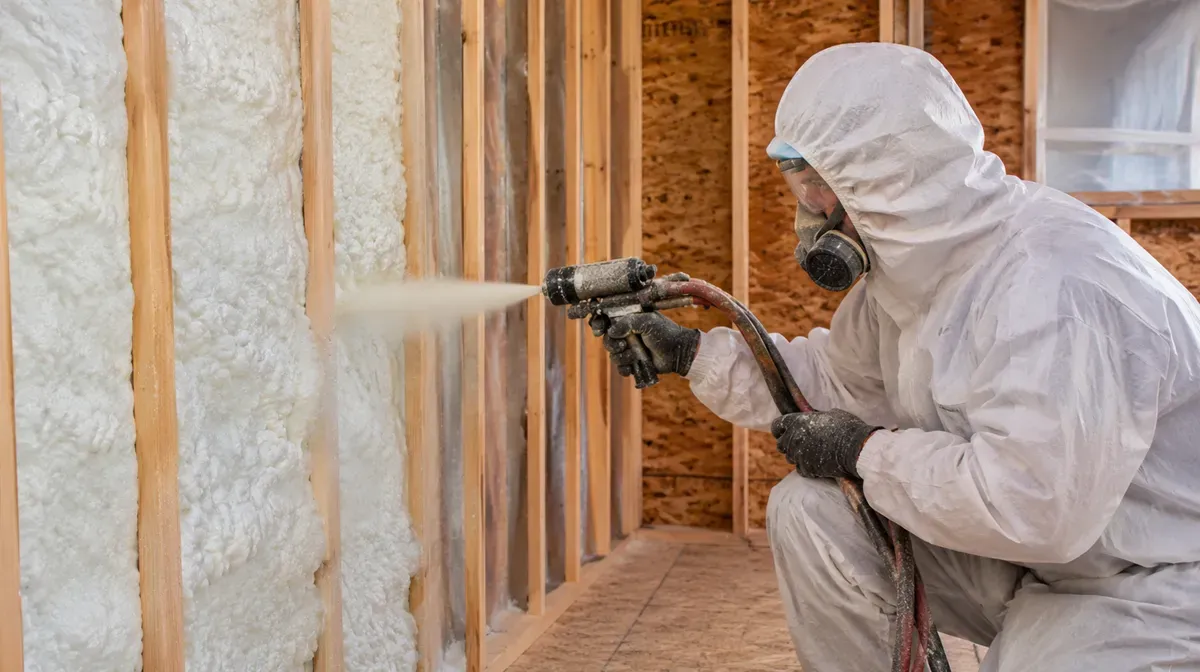
Project documentation can include photographs of the work area before and after installation, the product applied, and the specific sections treated. These records help property owners understand the completed scope and provide useful examples of the applications performed locally.
Clear answers
Common Spray Foam Insulation Questions from Longview Homeowners
How does spray foam insulation improve indoor comfort in Longview homes?
Expanding foam fills suitable gaps and cavities, creating an insulating layer that helps reduce unwanted air movement. This can limit drafts and temperature differences between rooms. In Longview's humid summers and cooler winter periods, proper coverage may help maintain a more comfortable home with consistent indoor temperatures. By helping seal openings and reduce heat transfer, spray foam can also support the performance of the building's existing insulation. Results depend on ventilation, windows, and the building's overall condition.
What factors affect the cost of spray foam insulation?
Project costs depend on the coverage area, product type, application thickness, and accessibility. Existing material removal, surface preparation, and the condition of the installation area can also affect the estimate. A professional assessment helps determine the required materials and labor so property owners receive a project estimate based on their building's actual needs.
How do I choose between open-cell and closed-cell spray foam?
The right option depends on the application area and building design. Open-cell foam is commonly considered for suitable interior walls and attic assemblies, while closed-cell foam may be appropriate where greater insulation value per inch and resistance to water vapor movement are needed. Since closed-cell insulation has a higher R-value per inch than open-cell foam, it may be preferable for certain applications with limited installation space. Technicians assess moisture conditions, ventilation, and surface requirements before recommending a system.
Can spray foam insulation be installed in an existing home?
Yes. Suitable areas in existing homes may include attics, accessible wall cavities, enclosed spaces beneath homes, and roof assemblies. Before installation, technicians inspect existing materials, moisture conditions, ventilation, and access points. Any underlying water intrusion or damaged materials should be addressed before application to help ensure the new system is installed under appropriate conditions. Proper preparation also helps spray foam seal suitable openings without interfering with building components that require ventilation.
How long does spray foam insulation installation take?
Installation time varies according to the property size, application area, preparation requirements, and selected product. A smaller project may take less time than treating multiple areas of a home or commercial building. Technicians should also account for product-specific curing, ventilation, and re-entry requirements before the space is used again.
Free estimate
Request a Spray Foam Insulation Estimate in Longview, TX
Planning an insulation project for a Longview property starts with identifying the areas that need attention and understanding the building's existing conditions. Whether the work involves an attic, enclosed area, wall assembly, metal structure, or roof, an assessment helps determine whether spray-applied foam is suitable and which system may meet the property's requirements. Applying spray foam in the appropriate areas can help fill gaps, improve insulation coverage, and create a more effective barrier against unwanted air movement.
Longview Spray Foam Pros can review existing materials, access conditions, surface preparation needs, and the differences between open-cell and closed-cell applications. The proposed scope can then outline the intended coverage, materials, preparation work, and estimated costs.
Contact Longview Spray Foam Pros today to discuss your project and request an assessment for your Longview home or business.